
Tennille Brush Removal Services
Choose our brush removal services for fast, thorough, and eco-friendly clearing that transforms your property into a safer, more beautiful, and usable space.
Get a Free QuoteOur Tennille Landscaping & Yard Care Services
When to Schedule Brush Removal in Tennille, Georgia – Seasonal Guide
In Tennille, Georgia, timing your brush removal is crucial for maintaining a healthy and attractive landscape. The best periods for this service are typically late winter through early spring, just before new growth begins, and again in late fall after the growing season ends. These windows align with Tennille’s climate, where mild winters and humid summers can impact both the ease and effectiveness of brush clearing. For example, neighborhoods near Sandersville Highway or close to the Oconee River often experience higher humidity and denser undergrowth, making early spring an ideal time to clear brush before the onset of heavy rains and rapid plant growth.
Local environmental factors such as the last frost date—usually in early March—should be considered to avoid damaging desirable plants. Areas with heavy shade, like those near the Tennille City Park, may accumulate more moisture and leaf litter, increasing the risk of mold or pests if brush is left too long. Soil type also plays a role; sandy soils common in the region dry out quickly, while clay-heavy areas retain moisture, affecting both brush regrowth and removal difficulty. For more information on local regulations and best practices, visit the official municipal resource.
Local Factors to Consider for Brush Removal in Tennille
- Tree density and type of vegetation
- Terrain slope and accessibility
- Seasonal precipitation patterns
- Proximity to landmarks like Tennille City Park or the Oconee River
- Municipal restrictions and disposal guidelines
- Risk of drought or excessive humidity
- Soil composition (sandy vs. clay-heavy areas)
Benefits of Brush Removal in Tennille

Enhanced Curb Appeal
Improved Lawn Health
Reduced Pest Infestation
Increased Usable Space
Fire Hazard Reduction
Professional and Timely Service
Tennille Brush Removal Types

Manual Brush Clearing
-
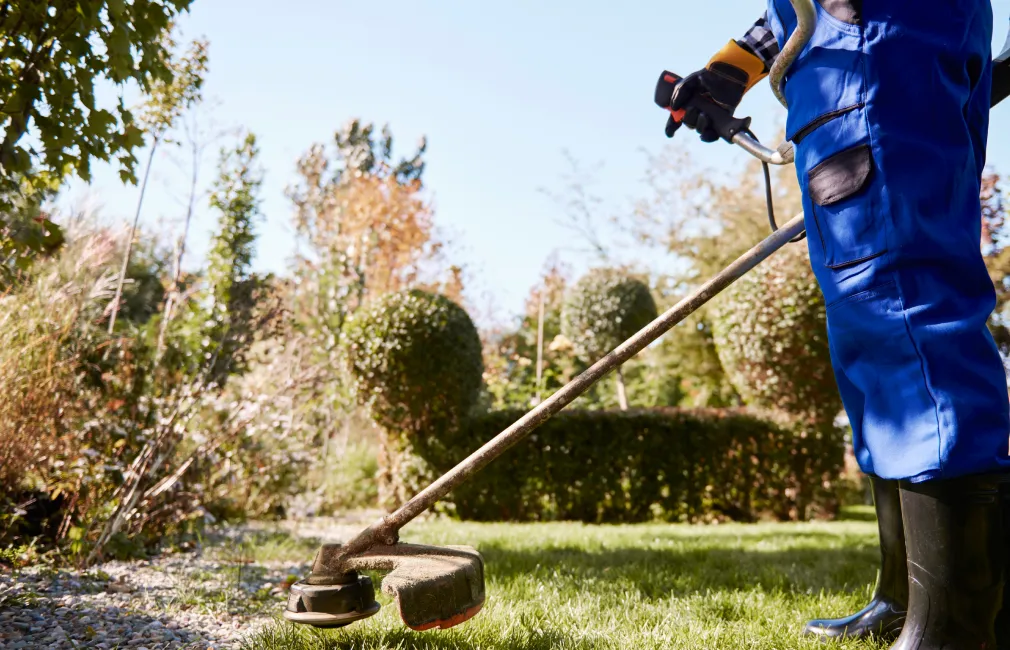
Mechanical Brush Removal
-
Selective Brush Cutting
-
Forestry Mulching
-
Stump Grinding
-
Lot and Land Clearing
-
Invasive Species Removal
Our Brush Removal Process
Site Evaluation
Safety Preparation
Brush Clearing
Debris Removal
Final Inspection
Why Choose Tennille Landscape Services
-
Tennille Homeowners Trust Us
-
Expert Lawn Maintenance
-
Reliable Scheduling
-
Competitive Pricing
-
Professional Team
-
Satisfaction Guarantee
-
Personalized Service
Coordinating Brush Removal Disposal Through Tennille Public Works and Washington County
Tennille is a small municipality in Washington County, Georgia, and residents undertaking brush removal should coordinate disposal logistics with the appropriate local departments. Tennille Public Works oversees maintenance of streets, roads, drainage systems, and public infrastructure within city limits. Before placing brush or woody debris curbside, property owners should verify current pickup schedules and any bundling or size requirements directly with the city. Key disposal considerations include:
- Limb length limits: confirm maximum allowable length for curbside brush bundles, as many Georgia municipalities require limbs cut to 4–6 feet
- Separation from household waste: brush and vegetative debris should not be mixed with bagged garbage or recyclables
- Right-of-way clearance: stacked brush must not obstruct sidewalks, drainage ditches, or roadway sightlines
- Volume thresholds: large-scale land clearing may require private hauling to a permitted disposal facility
For properties outside Tennille city limits, the Washington County Board of Commissioners administers county-level services and can direct residents to approved disposal sites or seasonal collection events.
Tennille Public Works
100 Central Avenue, Tennille, GA 31089
Phone: (478) 552-7212
Official Website: Tennille Public Works
Washington County Board of Commissioners
132 West Haynes Street, Sandersville, GA 31082
Phone: (478) 552-2325
Official Website: Washington County Board of Commissioners
Invasive Brush Species in Tennille's Middle Georgia Landscape and Removal Priorities
Tennille sits in USDA Hardiness Zone 8b, within Georgia's Middle Georgia region, where warm summers and mild winters create favorable conditions for aggressive invasive brush species. Property owners should prioritize removal of the following species commonly encountered in Washington County:
- Chinese privet (Ligustrum sinense): forms dense thickets along fence lines, drainage ditches, and woodland edges, displacing native vegetation
- Kudzu (Pueraria montana): rapidly overtakes trees, structures, and open ground if not controlled during the growing season
- Japanese honeysuckle (Lonicera japonica): climbs and smothers native shrubs and small trees along property boundaries
- Autumn olive (Elaeagnus umbellata): colonizes disturbed soils and open lots, producing heavy berry crops that spread via birds
The UGA Cooperative Extension and UGA Extension - Invasive Species program provide identification guides and recommended control methods. Removal timing matters: cutting privet and honeysuckle during late summer reduces regrowth vigor, while kudzu requires repeated cutting or targeted herbicide application across multiple seasons. The Georgia Forestry Commission can also advise on managing invasive brush in wooded areas adjacent to residential properties.
Protecting Tennille's Drainage Ditches and Streams During Brush Clearing Operations
Tennille's terrain features low-gradient drainage ditches, small tributaries, and areas that drain toward the Ogeechee River watershed. Brush removal near these features requires careful attention to erosion prevention and water quality protection. The soils in the Tennille area—predominantly Orangeburg, Norfolk, and Faceville series according to the USDA Web Soil Survey—are sandy loam to sandy clay loam Ultisols that are moderately well-drained but vulnerable to erosion when vegetative cover is stripped.
Residents and contractors should observe the following precautions:
- Maintain vegetative buffers: leave at least 25 feet of undisturbed vegetation along drainage ditches and stream banks to filter sediment
- Stage debris uphill: pile cut brush away from waterways to prevent material from washing into channels during rain events
- Avoid heavy equipment near wet areas: tracked or wheeled machinery compacts saturated soils and can destabilize ditch banks
- Stabilize exposed soil promptly: apply straw mulch or seed disturbed ground within 48 hours of clearing
The Georgia EPD Watershed Protection Branch enforces state water quality standards under the Clean Water Act, and property owners conducting large-scale clearing may need to verify whether a land-disturbance permit applies through Washington County.
Optimal Brush Removal Timing for Tennille's Long Growing Season and Storm Debris Cycles
Tennille's Middle Georgia climate produces a growing season that typically extends from late March through early November, with average summer highs exceeding 90°F and annual rainfall averaging approximately 46 inches. This extended warm period drives rapid brush regrowth, making timing a critical factor in effective removal. Recommended seasonal approaches include:
- Late winter (January–February): ideal for clearing dormant deciduous brush; reduced foliage improves visibility of stems and root systems, and dormant-season cutting minimizes wildlife disturbance during nesting periods
- Late summer (August–September): effective for cutting back actively growing invasive species when root carbohydrate reserves are depleted, reducing regrowth potential
- Post-storm windows: severe thunderstorms and occasional tropical weather from June through October generate significant downed limbs and brush accumulation; prompt removal prevents drainage obstruction and fire hazard
The National Weather Service provides local forecasts and severe weather alerts for the Tennille area through the Peachtree City, Georgia forecast office. Property owners should avoid brush burning during drought conditions and verify whether open burning is permitted within Tennille city limits by contacting the Tennille Fire Department.
Tennille Fire Department
Tennille, GA 31089
Phone: (478) 552-7212
Official Website: Tennille Fire Department
How Washington County Zoning and Code Compliance Affect Brush and Overgrowth in Tennille
Property owners in Tennille should be aware that both municipal code enforcement and Washington County zoning regulations may apply to overgrown lots and accumulated brush. Nuisance vegetation ordinances typically require property owners to maintain lots free of excessive brush, dead wood, and overgrowth that could harbor pests, create fire hazards, or reduce property-line visibility. Key compliance considerations include:
- Frontage maintenance: brush encroaching on public rights-of-way, sidewalks, or road shoulders may trigger code enforcement action
- Vacant lot upkeep: unoccupied parcels within city limits are still subject to vegetation maintenance requirements; verify current thresholds with the city
- Sight-triangle clearance: brush at intersections or driveway entrances must be kept below heights that obstruct driver visibility
- Downtown district standards: properties within the Tennille Downtown Development Authority area may face additional appearance and maintenance expectations tied to revitalization goals
Washington County's zoning office administers land-use regulations that may affect clearing on larger parcels, particularly regarding setbacks, buffer requirements, and land-disturbance thresholds. Confirm current requirements before initiating large-scale brush removal.
Washington County Zoning
132 West Haynes Street, Sandersville, GA 31082
Phone: (478) 552-2325
Official Website: Washington County Zoning
What Neighborhoods Do We Serve Throughout Tennille, GA?
- Downtown Tennille: Older residential and mixed-use lots near the railroad corridor often feature mature trees, overgrown fence lines, and privet thickets along alleys and property boundaries. Brush removal here requires attention to proximity of structures, utility lines, and downtown development standards overseen by the Tennille Downtown Development Authority.
- North Tennille Residential Area: Properties along and north of GA Highway 15 tend toward larger lots with mixed pine and hardwood edges, producing seasonal limb drop and understory brush accumulation that requires periodic clearing.
- South Tennille / Kite Road Corridor: This area includes rural-residential parcels with sandy loam soils and open drainage ditches where invasive brush—particularly privet and honeysuckle—colonizes ditch banks and fence rows.
- East Tennille / Railroad District: Lots adjacent to the rail line often have narrow access and compacted fill soils, with volunteer brush and woody growth emerging along unused easements and rail-adjacent margins.
- West Tennille / Sandersville Highway Area: Properties along GA Highway 24 toward Sandersville feature a mix of residential and transitional lots where roadside brush clearance is important for maintaining sight-triangle safety and right-of-way compliance.
- Ogeechee River Tributary Areas: Low-lying parcels near small creeks and tributaries draining toward the Ogeechee River basin require careful brush removal practices to protect stream buffers, prevent erosion on sandy clay loam soils, and comply with Georgia water quality standards.