
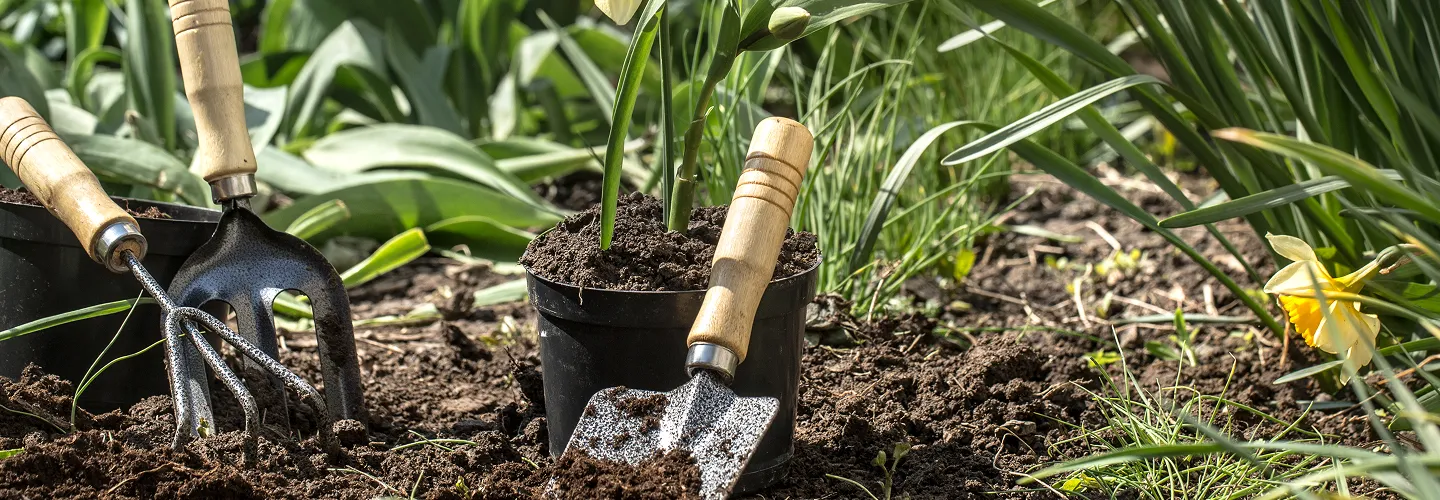
Tennille Flower Bed Maintenance Services
Choose our Flower Bed Maintenance for expert care, healthy blooms, and a beautiful landscape that enhances your home's curb appeal—let us handle the hard work so you can enjoy a thriving, colorful garden without the hassle.
Get a Free QuoteOur Tennille Landscaping & Yard Care Services
When to Schedule Flower Bed Maintenance in Tennille, Georgia – Seasonal Guide
In Tennille, Georgia, the timing of flower bed maintenance is closely tied to our unique climate and local landscape features. With mild winters and hot, humid summers, the best periods for comprehensive flower bed care are early spring and late fall. These windows allow for soil preparation, mulching, and planting before the intense summer heat or winter chill sets in. For neighborhoods near Sandersville Road or close to the Oconee River, it's important to consider microclimates—areas with more shade or moisture may require slightly different schedules.
Local factors such as average frost dates (typically late March), periods of drought risk in July and August, and the prevalence of clay-heavy soils all play a role in determining when to schedule services. Homeowners in the historic downtown district or near the Tennille City Park should also be aware of municipal guidelines and potential restrictions. For more detailed information on local environmental considerations, visit the Sudbury municipal resource.
Local Factors to Consider for Flower Bed Maintenance in Tennille
- Tree density and shade coverage around your property
- Soil type, especially clay content and drainage
- Seasonal precipitation patterns and drought risk
- Proximity to landmarks like Oconee River or Tennille City Park
- Municipal restrictions or neighborhood association guidelines
- Terrain and slope, which affect water runoff and soil erosion
Benefits of Flower Bed Maintenance in Tennille
Enhanced Curb Appeal
Weed and Pest Prevention
Healthier Plant Growth
Seasonal Color Variety
Professional Landscaping Expertise
Increased Property Value
Tennille Flower Bed Maintenance Types

Seasonal Flower Planting
-
Weed Control Services
-
Mulching and Soil Conditioning
-
Pruning and Deadheading
-
Fertilization Programs
-
Pest and Disease Management
-
Edging and Bed Redefining
Our Flower Bed Maintenance Process
Site Evaluation
Weed Removal
Soil Preparation
Plant Care
Mulching
Why Choose Tennille Landscape Services
-
Tennille Homeowners Trust Us
-
Expert Lawn Maintenance
-
Reliable Scheduling
-
Competitive Pricing
-
Professional Team
-
Satisfaction Guarantee
-
Personalized Service
Tennille's Middle Georgia Soils and Their Impact on Flower Bed Health
Tennille sits in the Middle Georgia region within USDA Hardiness Zone 8b, where the transition between Piedmont clay and Coastal Plain sandy loams creates variable soil conditions that directly affect flower bed performance. The predominant soil series in the Washington County area—including Orangeburg, Norfolk, and Tifton sandy loams—tend toward acidic pH levels, often ranging from 5.0 to 6.2. Property owners should conduct soil testing before amending beds, as over-liming acidic soils can harm acid-loving species such as azaleas, camellias, and gardenias. Key soil considerations for Tennille flower beds include:
- Drainage: Sandy loam soils drain quickly, requiring organic matter amendments such as composted pine bark to improve moisture retention
- Nutrient leaching: Frequent light fertilization outperforms heavy single applications in sandy substrates
- Compaction: Older in-town lots may have compacted fill soils requiring deep tilling before bed establishment
- pH adjustment: Lime or sulfur applications should follow USDA Web Soil Survey data and UGA Cooperative Extension soil test recommendations
Residents can submit soil samples through the Washington County UGA Extension office for laboratory analysis, which typically costs under fifteen dollars per sample and returns results within two to three weeks.
Seasonal Planting Windows and Bed Rotation for Tennille's Long Growing Season
Tennille's extended warm season—with last spring frosts typically occurring in mid-March and first fall frosts arriving in mid-November—provides approximately 240 frost-free days annually. This long window supports multiple planting rotations per year, but it also demands careful scheduling to avoid heat stress during peak summer months. The National Weather Service Peachtree City forecast office serves the Tennille area and provides localized frost and freeze advisories critical for timing sensitive plantings. Recommended seasonal bed maintenance windows include:
- Late February through March: Remove winter mulch, cut back perennial dead growth, and prepare beds with compost amendments before warm-season planting
- April through May: Install summer annuals such as lantana, pentas, zinnias, and vinca after soil temperatures consistently exceed 65°F
- September through October: Transition beds to cool-season color with pansies, violas, ornamental kale, and snapdragons
- November through December: Apply 2–3 inches of pine straw or hardwood mulch for winter insulation and weed suppression
Timing bed work to avoid the intense July and August heat—when daytime highs regularly exceed 95°F—reduces transplant shock and irrigation demand.
How Tennille's Downtown Revitalization Standards Affect Flower Bed Appearance
Property owners and managers within Tennille's downtown corridor should be aware that flower bed maintenance may intersect with community appearance standards supported by the Tennille Downtown Development Authority. This authority promotes historic preservation, aesthetic improvement, and community investment within the city's commercial core. Flower beds along sidewalks, storefronts, and public-facing frontages in the downtown area contribute to the overall streetscape and may be subject to local expectations regarding upkeep, weed control, and seasonal color. Practical considerations for downtown bed maintenance include:
- Keeping bed edges defined and free of encroachment onto sidewalks or rights-of-way
- Removing spent annuals promptly between seasonal rotations
- Avoiding excessive soil or mulch runoff onto paved surfaces during rain events
- Coordinating any bed modifications near public infrastructure with Tennille Public Works
Property owners with questions about downtown appearance guidelines or improvement programs should contact the Tennille Downtown Development Authority directly.
Tennille Downtown Development Authority
P.O. Box 250, Tennille, GA 31089
Official Website: Tennille Downtown Development Authority
Protecting Tennille's Drainage Infrastructure During Bed Maintenance Activities
Tennille Public Works maintains the city's streets, roads, and drainage systems, and flower bed maintenance activities can directly affect stormwater flow if not managed responsibly. Excess soil, mulch, fertilizer, or organic debris that enters roadside ditches, culverts, or drainage swales can cause blockages and contribute to localized flooding. The Georgia EPD Watershed Protection Branch oversees water quality standards statewide, and property owners in Tennille share responsibility for preventing pollutant discharge into local waterways, including tributaries of the Oconee River watershed. Best practices for environmentally compliant bed maintenance include:
- Mulch containment: Install edging or borders to prevent mulch migration into ditches and storm drainage channels
- Fertilizer management: Apply granular or slow-release fertilizers only to bed surfaces, never to impervious areas, and avoid application before heavy rain forecasts
- Debris removal: Sweep or collect all trimmings, pulled weeds, and displaced soil before they reach drainage infrastructure
- Pesticide compliance: Any chemical pest or weed control products applied to flower beds must be used by applicators holding valid credentials under the Georgia Pesticide Use and Application Act of 1976
Residents who observe drainage blockages caused by landscape debris should report them to Tennille Public Works for assessment and clearance.
Tennille Public Works
Tennille, GA 31089
Official Website: Tennille Public Works
Selecting Heat-Tolerant and Native Bed Plants Suited to Tennille's Climate
Flower bed longevity in Tennille depends heavily on selecting species adapted to the region's hot, humid summers and mildly acidic sandy loam soils. UGA Cooperative Extension recommends prioritizing Georgia-native and regionally adapted perennials that tolerate sustained temperatures above 90°F and periodic summer drought. Incorporating native species also supports local pollinators and reduces long-term maintenance inputs. Recommended plant selections for Tennille flower beds include:
- Full sun perennials: Coneflower (Echinacea purpurea), black-eyed Susan (Rudbeckia fulgida), daylily (Hemerocallis spp.), and butterfly weed (Asclepias tuberosa)
- Shade-tolerant perennials: Hosta, cast iron plant (Aspidistra elatior), and autumn fern (Dryopteris erythrosora) for beds beneath mature hardwoods
- Summer annuals: Vinca (Catharanthus roseus), pentas, and angelonia perform reliably through Tennille's July–August heat
- Cool-season annuals: Pansies, dianthus, and ornamental cabbage provide color from October through April
- Native shrub borders: Oakleaf hydrangea (Hydrangea quercifolia) and Virginia sweetspire (Itea virginica) anchor beds with minimal chemical input
Property owners should avoid invasive ornamental species identified by UGA Extension's Invasive Species program, including Chinese privet and Japanese honeysuckle, which can escape beds and colonize adjacent natural areas.
What Neighborhoods Do We Serve Throughout Tennille, GA?
- Downtown Tennille: The historic commercial core features older lots with compacted soils, limited planting space along sidewalks, and proximity to public infrastructure requiring careful bed edging and debris management during maintenance.
- North Tennille Residential Area: Established residential streets with mature hardwood canopy create partial to full shade conditions, favoring shade-tolerant perennials and requiring regular leaf debris removal from beds during fall and winter months.
- South Tennille / Highway 15 Corridor: Properties along and near the Highway 15 corridor tend toward open sun exposure with sandy loam soils that drain rapidly, demanding consistent mulching and irrigation scheduling for bed plant survival.
- East Tennille Neighborhoods: Residential lots east of the railroad corridor often feature larger yard footprints with mixed sun and shade, well-suited to diverse bed designs incorporating both native perennials and seasonal annuals.
- Tennille Heights Area: Slightly elevated lots in this area experience better natural drainage but may require additional organic amendments to retain moisture in sandy substrates during peak summer heat.
- Rural-Edge Properties Within City Limits: Parcels along Tennille's municipal boundary often border wooded or agricultural land, introducing deer browse pressure, volunteer seedling encroachment, and increased weed competition that require more frequent bed monitoring.