
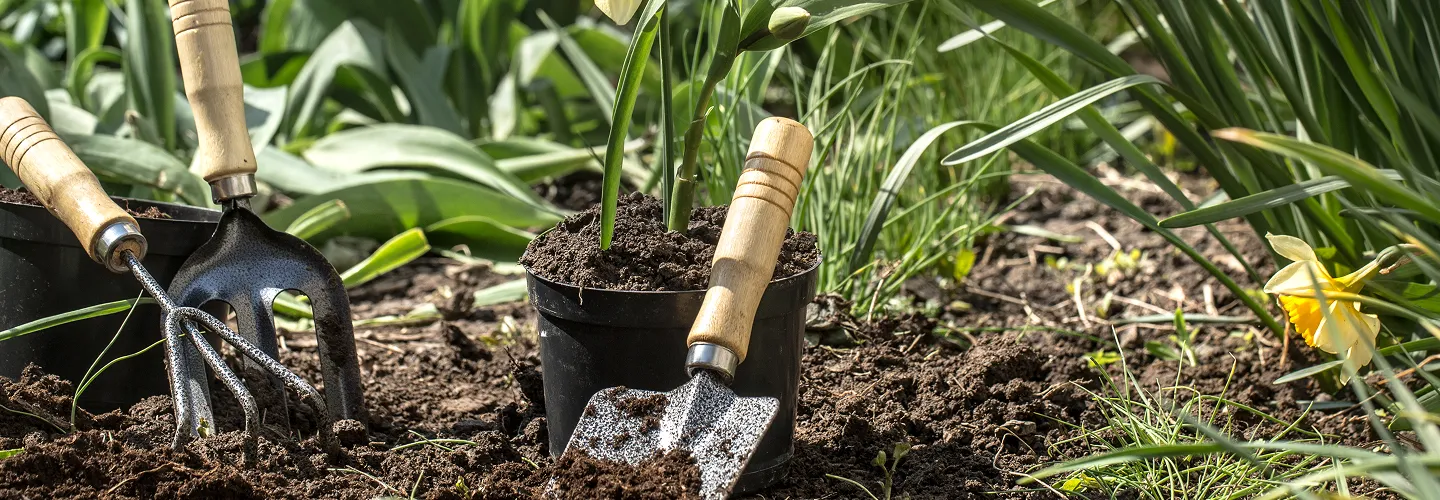
Tennille Weeding Services
Choose our expert weeding services for a healthier, more beautiful landscape—our experienced team ensures your garden stays weed-free, letting your plants thrive and your outdoor space look its best all season long.
Get a Free QuoteOur Tennille Landscaping & Yard Care Services
When to Schedule Weeding in Tennille, Georgia – Seasonal Guide
In Tennille, Georgia, the best times to schedule weeding are closely tied to our region’s unique climate and landscape. Early spring, just after the last frost date, is ideal for tackling weeds before they become established. This timing is especially important in neighborhoods near Sandersville Road and the historic downtown area, where mature trees and shaded yards can create microclimates that affect weed growth. Late summer and early fall are also key periods, as humidity and rainfall patterns can trigger a resurgence of unwanted plants, particularly in areas with clay-heavy soils common around the Oconee River corridor.
Local environmental factors such as drought risk during July and August, variable shade coverage in communities like North Tennille, and the presence of dense pine stands all play a role in determining the optimal weeding schedule. Homeowners should also be aware of municipal guidelines, which can be found on the official city website, to ensure compliance with local landscaping ordinances.
Local Factors to Consider for Weeding in Tennille
- Tree density and shade coverage, especially in older neighborhoods
- Soil type, with clay and sandy soils requiring different approaches
- Seasonal precipitation and drought risk
- Frost dates and temperature fluctuations
- Terrain and slope, which can affect water runoff and weed spread
- Municipal restrictions or guidelines on yard maintenance
Benefits of Weeding in Tennille
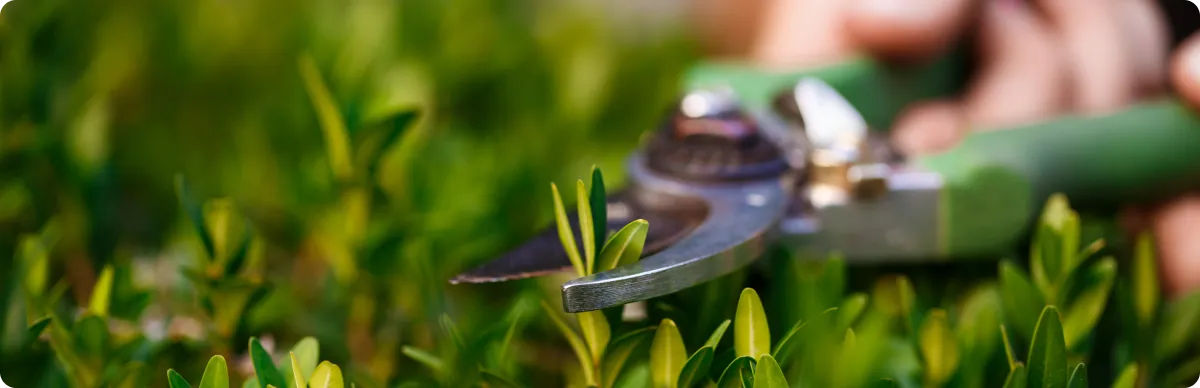
Enhanced Curb Appeal
Healthier Plant Growth
Reduced Pest Infestation
Improved Soil Quality
Time and Effort Savings
Professional Landscaping Expertise
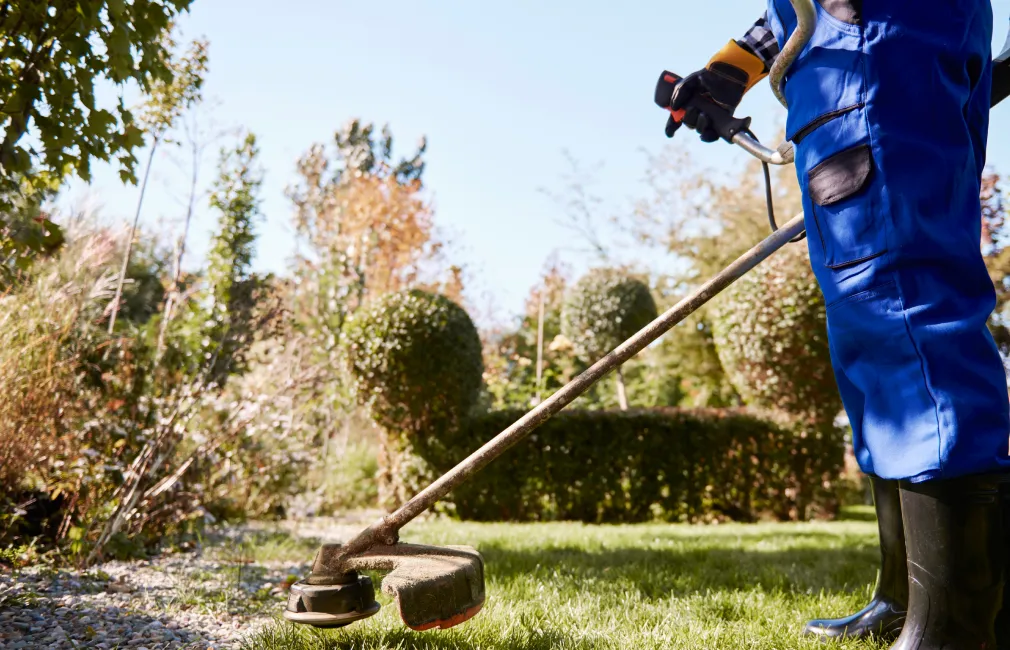
Tennille Weeding Types

Hand Weeding
-
Mulching for Weed Control
-
Pre-Emergent Herbicide Application
-
Post-Emergent Weed Spraying
-
Mechanical Weed Removal
-
Landscape Fabric Installation
-
Selective Weed Pulling
Our Weeding Process
Site Evaluation
Weed Identification
Targeted Removal
Soil Treatment
Final Inspection
Why Choose Tennille Landscape Services
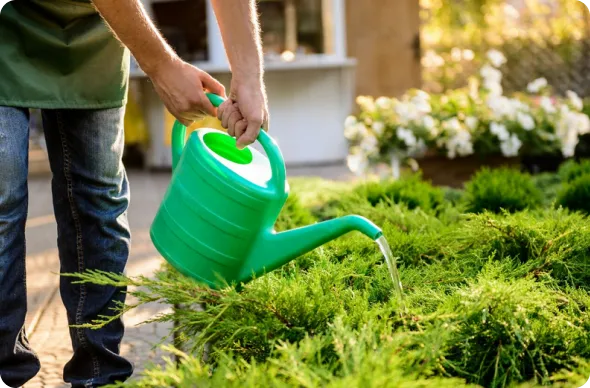
-
Tennille Homeowners Trust Us
-
Expert Lawn Maintenance
-
Reliable Scheduling
-
Competitive Pricing
-
Professional Team
-
Satisfaction Guarantee
-
Personalized Service
Tennille's Middle Georgia Soils and How They Influence Weed Pressure Year-Round
Tennille sits in the Middle Georgia region within USDA Hardiness Zone 8b, where the long warm season—typically extending from late March through mid-November—creates persistent conditions for weed germination and establishment. The predominant soils in the Tennille area belong to the Orangeburg, Norfolk, and Tifton series, characterized by sandy loam surface layers over clayey subsoils. These soils tend toward acidic pH levels (often 5.0–6.0), which can favor certain aggressive weed species such as crabgrass, nutsedge, and chamberbitter. Key soil-related factors affecting weed management in Tennille include:
- Sandy loam surfaces that warm quickly in spring, triggering early summer-annual weed germination
- Moderate drainage in upland areas but poor drainage in low-lying spots near ditches and creeks, encouraging sedge and broadleaf weed proliferation
- Acidic soil conditions that may reduce turf competitiveness if left uncorrected
Property owners can verify their specific soil series and drainage class through the USDA Web Soil Survey. Soil testing through the UGA Cooperative Extension provides pH and nutrient data essential for developing an effective, site-specific weed management plan.
Seasonal Weeding Windows and Timing Guidance for Tennille Properties
Effective weed control in Tennille depends on aligning management activities with the region's distinct seasonal weed cycles. Middle Georgia's warm, humid climate produces two primary weed pressure peaks that property owners and managers should anticipate:
- Late February through April: Pre-emergent timing for summer annuals such as crabgrass, goosegrass, and spurge. Soil temperatures at the 4-inch depth reaching 55°F consistently for several days signal the onset of germination. In Tennille, this threshold is typically reached by mid-March.
- September through November: Fall germination of winter annuals including henbit, chickweed, and annual bluegrass. A second pre-emergent application window opens when nighttime temperatures consistently drop below 65°F, usually by late September in Washington County.
- May through August: Peak hand-weeding and post-emergent management period, when established summer weeds grow aggressively in Tennille's heat and humidity.
The National Weather Service provides localized temperature and precipitation forecasts that help determine precise application and weeding windows. Residents should note that Tennille's average annual rainfall of approximately 46 inches supports continuous weed growth, making consistent scheduling—rather than reactive treatment—the most effective approach.
How Tennille's Drainage Ditches and Low Areas Affect Weed Control Practices
Tennille's municipal infrastructure includes a network of roadside drainage ditches and stormwater conveyances maintained by the city's Public Works department. These drainage features, along with low-lying areas near Buffalo Creek and other local waterways, present specific challenges and regulatory considerations for weed management. Herbicide applications near drainage ditches, storm inlets, and creek corridors must account for runoff potential and water quality protection under the Clean Water Act and standards enforced by the Georgia EPD Watershed Protection Branch.
Practical precautions for weeding near Tennille's drainage features include:
- Avoid herbicide application within 25–50 feet of open drainage ditches or flowing waterways when rain is forecast within 24 hours
- Use manual or mechanical weeding methods in buffer zones adjacent to storm drains and creek banks
- Do not deposit pulled weeds or organic debris into drainage ditches, as this can obstruct flow and contribute to downstream sedimentation
- Select targeted, low-drift herbicide formulations when chemical treatment is necessary near sensitive areas
Tennille Public Works oversees drainage system maintenance and can advise on right-of-way boundaries and ditch access. Verify current drainage easement locations before conducting weeding operations along public infrastructure.
Tennille Public Works
P.O. Box 215, Tennille, GA 31089
Official Website: Tennille Public Works
Georgia Herbicide Licensing Requirements for Professional Weed Control Services
Property owners in Tennille who hire professional weeding services should verify that any contractor applying herbicides holds proper credentials under Georgia law. The Georgia Pesticide Use and Application Act of 1976 requires that commercial applicators be licensed through the Georgia Department of Agriculture. Key compliance points include:
- Commercial applicators must hold a valid Georgia Commercial Pesticide Applicator License in the appropriate category (Category 3 covers ornamental and turf pest control)
- Registered technicians working under a licensed applicator must carry valid employee registration cards
- All herbicide applications must follow EPA-approved label directions, including rate limits, buffer requirements, and re-entry intervals
- Records of application—including product name, EPA registration number, rate, date, and location—must be maintained for a minimum of two years
Tennille residents can confirm a contractor's license status through the Georgia Department of Agriculture - Agricultural Pest Control program. Unlicensed herbicide application for hire is a violation of state law and may result in penalties. For properties in Tennille's downtown revitalization area, the Tennille Downtown Development Authority may have additional guidance on landscape maintenance standards.
Georgia Department of Agriculture
19 Martin Luther King Jr. Drive SW, Atlanta, GA 30334
Phone: (404) 656-3641
Official Website: Georgia Department of Agriculture - Licensing
Nuisance Vegetation and Code Compliance in Tennille's City Limits
Washington County's zoning administration, which covers properties within and around Tennille, addresses nuisance vegetation and property maintenance standards that directly relate to weeding obligations. Overgrown lots, unmanaged weed growth along frontages, and vegetation encroaching on sidewalks or rights-of-way may trigger code compliance action. Property owners and managers should be aware of the following considerations:
- Vegetation height thresholds: Many Georgia municipalities enforce maximum vegetation height standards on developed residential and commercial lots, typically ranging from 8 to 12 inches. Verify current Tennille and Washington County requirements through the zoning office.
- Right-of-way maintenance: Property owners are generally responsible for maintaining the area between their property line and the street curb or edge of pavement, including weed removal.
- Vacant lot management: Unoccupied parcels within city limits remain subject to vegetation maintenance requirements and may be cited for noncompliance.
- Invasive species concerns: Aggressive invasive plants such as kudzu, Chinese privet, and Japanese stiltgrass—documented throughout Middle Georgia by UGA Extension - Invasive Species—require proactive management to prevent spread to adjacent properties and public areas.
Contact Washington County Zoning to confirm current vegetation ordinance thresholds and enforcement procedures applicable to Tennille properties.
Washington County Zoning
Official Website: Washington County Zoning
What Neighborhoods Do We Serve Throughout Tennille, GA?
- Downtown Tennille: Properties in the historic downtown core often feature older landscaping beds, brick-edged walkways, and compacted soils that trap moisture and encourage broadleaf weed growth. The Tennille Downtown Development Authority's revitalization focus makes frontage weed management particularly important for commercial and mixed-use parcels.
- North Tennille Residential Area: Established residential lots along and north of Railroad Street typically have mature shade trees and sandy loam soils, creating conditions favorable to shade-tolerant weeds such as doveweed and Virginia buttonweed.
- South Tennille / Highway 15 Corridor: Properties along the GA-15 corridor experience higher visibility and traffic exposure, making right-of-way weed control and frontage maintenance a priority for both safety and code compliance.
- Buffalo Creek Vicinity: Low-lying lots near Buffalo Creek face seasonal moisture accumulation and heavier sedge and nutsedge pressure, requiring careful drainage-aware weeding methods and restricted herbicide use near the waterway.
- West Tennille / Church Street Area: Residential properties in this area feature a mix of open and partially wooded lots with variable soil drainage, creating diverse weed challenges ranging from crabgrass in sunny areas to ground ivy in shaded zones.